Some links on this page are affiliate links. If you buy through one, we earn a small commission at no extra cost to you. As an Amazon Associate we earn from qualifying purchases. Full disclosure.
Frames are where the beekeeping catalog gets scary. Wedge bars, grooved bars, wired wax, foundationless, double-waxed plastic: it reads like a language you have to learn before you can spend a dollar. You do not. The confusing part is real, but the beginner answer to bee hive frames is short, and it fits in one sentence.
Buy wooden frames with wax-coated plastic foundation, assembled, about 20 to start. That is it. The rest of this guide explains the two real decisions behind that choice so you can buy with confidence, then order the right count for a first Langstroth hive. If you are still deciding on the whole setup, our beekeeping for beginners guide covers the bigger picture first.
Just tell me what to buy
Here is the dead-simple shopping list for a first hive:
- Wooden frames with wax-coated plastic foundation, ideally double-waxed for the best acceptance.
- Bought assembled, so there is one less thing to get wrong while you learn.
- Sold 10 per box, matching a standard 10-frame Langstroth box.
- About 20 deep frames to start, which fills two brood boxes.
- Add 16 to 20 medium or shallow frames later, once you put a honey super on.
That configuration is what most experienced backyard keepers land on. Wood is repairable and bees take to it. Plastic foundation survives inspections and extraction without blowing apart.
The two together cover a beginner’s real needs without the fuss. Everything below explains why, so you can adjust if your situation is different.
What frames and foundation actually are
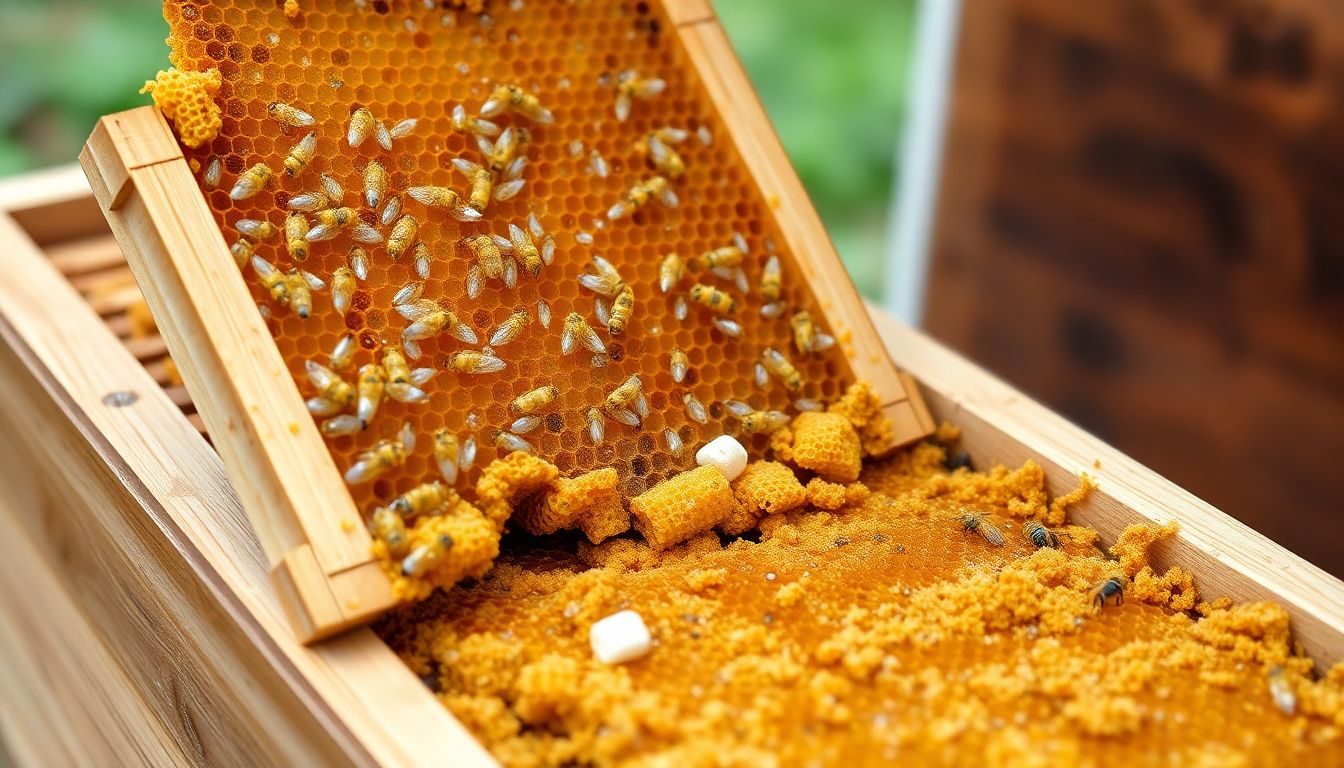
Bee hive frames are the rectangular wood or plastic pieces that hang inside a Langstroth box and hold the comb. Foundation is the thin embossed sheet inside each frame, stamped with a hexagon pattern that gives the bees a straight starting line to build on. Without that guide, comb tends to wander.
There is one more idea worth knowing: bee space. Bees leave a gap of about 3/8 inch as a walkway and glue shut anything smaller. Frames are sized to preserve that gap, which is why they lift out cleanly instead of being cemented in place. That single measurement is what makes a modern hive inspectable. You can see it in action in our hive inspection walkthrough.
1. Wooden frames with wax-coated plastic foundation (best for most beginners)
This is the sweet spot, and the configuration most experienced keepers recommend to almost every beginner. You get the parts of wood that matter, plus foundation that holds up to real hive work.
Wooden frames insulate a little better, and bees build on them readily. When a bottom bar cracks after a few seasons, you swap the broken piece cheaply instead of tossing the whole frame. The wax-coated plastic foundation snaps in, resists pests, and will not sag or tear when you inspect or extract. Bees accept double-waxed sheets fastest and draw the straightest comb on them.
Buy them assembled if the budget allows. Assembly is fussy work with glue and staples, and getting it slightly wrong early costs you later. Look for wooden frames with wax-coated plastic foundation sold by the box of 10.
2. One-piece plastic frames (best low-maintenance option)
If you want the least possible setup work, one-piece plastic frames are a genuine option. The frame and foundation are molded as a single unit, so they arrive pre-assembled with nothing to glue. They resist wax moths and small hive beetles better than wood, and they usually cost less up front.
The tradeoffs are real, and you should know them going in. Bees hesitate on bare plastic, so wax them heavily before they go in the hive, or buy them pre-waxed. A cracked one-piece frame cannot be repaired the way a wooden frame can. When it breaks, you replace the whole thing.
For a low-touch first setup, they work fine as long as you commit to the wax coating. Browse one-piece plastic frames and plan to give them a good brushing of melted wax before install.
Wax, plastic, or foundationless?
Foundation is the decision that trips up more beginners than the frame itself, so keep it simple. You have three paths, and only one is right for a first year.
- Plain wax foundation: bees accept it fast and it is cheap, but it sags or blows out at extractor speed unless you wire it. Extra work you do not need yet.
- Plastic foundation: durable and pest-resistant, and it survives the spin of an extractor without complaint. Bees are slow to build on it unless it is well waxed.
- Wax-coated plastic: the beginner sweet spot, combining plastic’s toughness with a wax coating bees take to quickly. Double-waxed is best.
Then there is foundationless, where bees draw fully natural comb from a bare top bar. It appeals to a lot of people for good reasons, but the comb comes out crooked or falls before it sets unless your hive is dead level and you have drawn comb to guide it. Skip it your first year. And if you ever plan to spin honey out, plastic-based foundation is what survives a honey extractor; plain wax often does not.
Sizes and how many to buy
Frames come in three heights, and they all share a 19 3/16 inch top bar, so any of them fits a standard box. What changes is depth and weight when full:
- Deep, 9 1/8 inches tall, used for brood, holds about 6 pounds of honey when full.
- Medium, 6 1/4 inches, the versatile all-rounder for brood or honey, about 4 pounds.
- Shallow, 5 3/8 inches, for honey supers, about 3 pounds and the easiest to lift.
Weight adds up fast. A 10-frame deep packed with honey can top 80 pounds, which is a lot to heave off a stack. An 8-frame box cuts roughly 30 percent of that weight, at the cost of needing more boxes overall. Many keepers standardize on all-medium frames so every frame is interchangeable and no full box breaks their back.
For count, every box takes a full set: 10 frames in a 10-frame box, 8 in an 8-frame. Two deep brood boxes to start means 20 deep frames. Add 16 to 20 mediums or shallows when you add a super.
Buy only what your first season needs, so you can settle on a size preference before committing to bulk. Match the frames to the boxes in our best bee hives roundup.
How to spot a quality frame
Not all frames are cut equal, and a bad batch causes headaches for seasons. A good frame has precise, clean cuts and joints reinforced with both glue and staples. Cheap ones flex and pull apart under the weight of full comb.
Warp is the other thing to check. Lay a frame flat on a level surface and look for rocking or a lifted corner. A warped frame throws off bee space and sits crooked in the box, which invites burr comb.
Buy from an established beekeeping supplier rather than a random general retailer, where quality control on woodenware is hit or miss. Match the foundation color to the job: black makes eggs and pale larvae far easier to spot in a brood frame, while lighter foundation suits honey supers where you want to see the honey. If you do buy unassembled to save money, budget the extra bench time and glue every joint before you staple it.
The bottom line
For most beginners, the answer is settled: wooden frames with wax-coated (double-waxed) plastic foundation, bought assembled, about 20 deep frames to start, standardized on one size. It gives you the repairability and bee acceptance of wood plus foundation tough enough for inspections and extraction. That single choice removes most of the catalog confusion.
Go with one-piece plastic frames instead if you want zero assembly and will commit to waxing them heavily before install. Either way, skip foundationless comb your first year while you learn the rhythm of the hive. When you are ready to see how frames fit into the full kit, our beekeeping equipment guide lays out the rest, and the best bee hives guide covers the boxes they hang in.
Frequently asked questions
Should beginners use wooden or plastic frames?
Most beekeepers recommend wooden frames with wax-coated plastic foundation. You get the repairability and bee-friendliness of wood, plus a plastic foundation that survives inspections and extraction. One-piece plastic frames are a fine low-maintenance alternative if you wax them heavily before install, since bees hesitate to build on bare plastic.
Wax or plastic foundation for a beginner?
Wax-coated plastic foundation is the beginner sweet spot. Bees accept the wax coating readily, and the plastic core will not sag or blow out during extraction the way plain wax can. Buy it pre-waxed or double-waxed for the best acceptance, and skip foundationless frames until you have a season or two of experience.
How many frames do I need to start beekeeping?
Plan on about 20 deep frames for two brood boxes, which is a full set of 10 per box. Add another 16 to 20 medium or shallow frames once you put a honey super on the hive. Buy just what your first season needs so you can settle on a preference before committing to bulk.
What is the difference between deep, medium, and shallow frames?
They differ in height and honey weight. Deep frames are 9 1/8 inches and hold about 6 pounds, mediums are 6 1/4 inches at about 4 pounds, and shallows are 5 3/8 inches at about 3 pounds. Deeps hold brood; mediums and shallows hold honey and lift much easier.